

 Español
 English
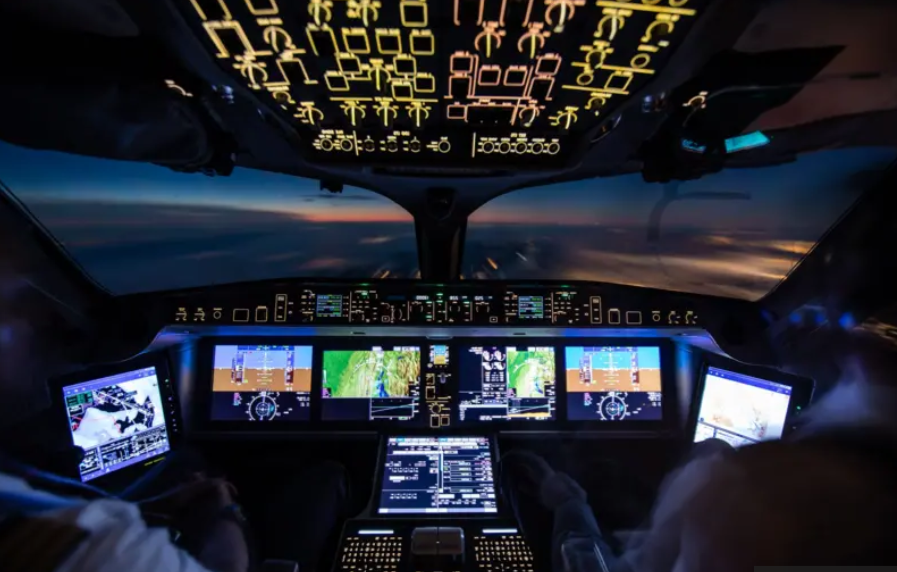
According to flight data reviewed by the BBC’s global service, the aircraft’s transponder suddenly began reporting that it was deep inside Russian territory, about 300 kilometers from where it had been just seconds earlier.
It appeared to be flying at only 11 kilometers per hour over a lake near Saint Petersburg.
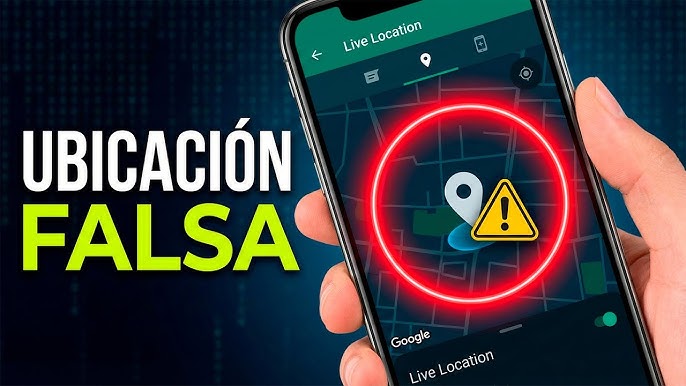
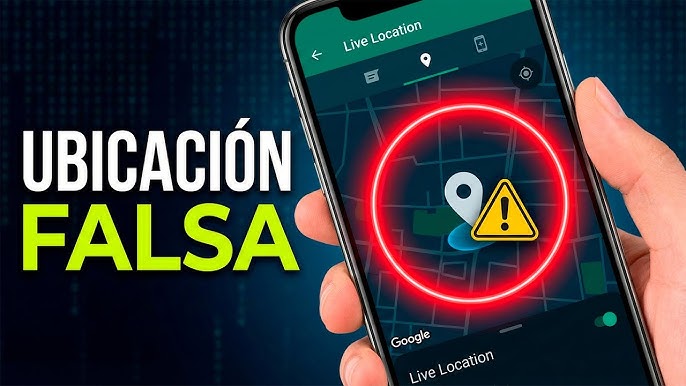
None of this was real. The aircraft’s navigation system had been deceived by GPS spoofing.
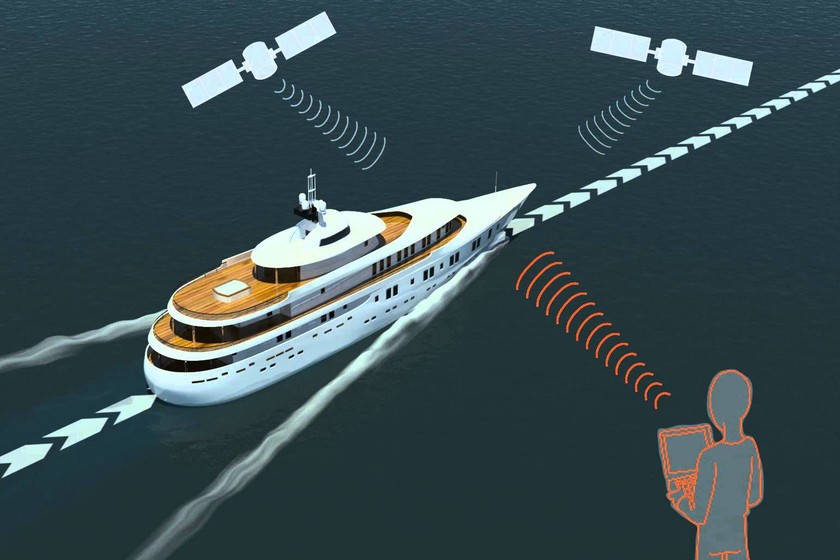
This happens when an area is flooded with radio signals that imitate those transmitted by GPS satellites.
Because satellite signals are relatively weak by the time they reach Earth, a ground-based transmitter can broadcast stronger false signals that navigation systems—including those used by aircraft—may lock onto.
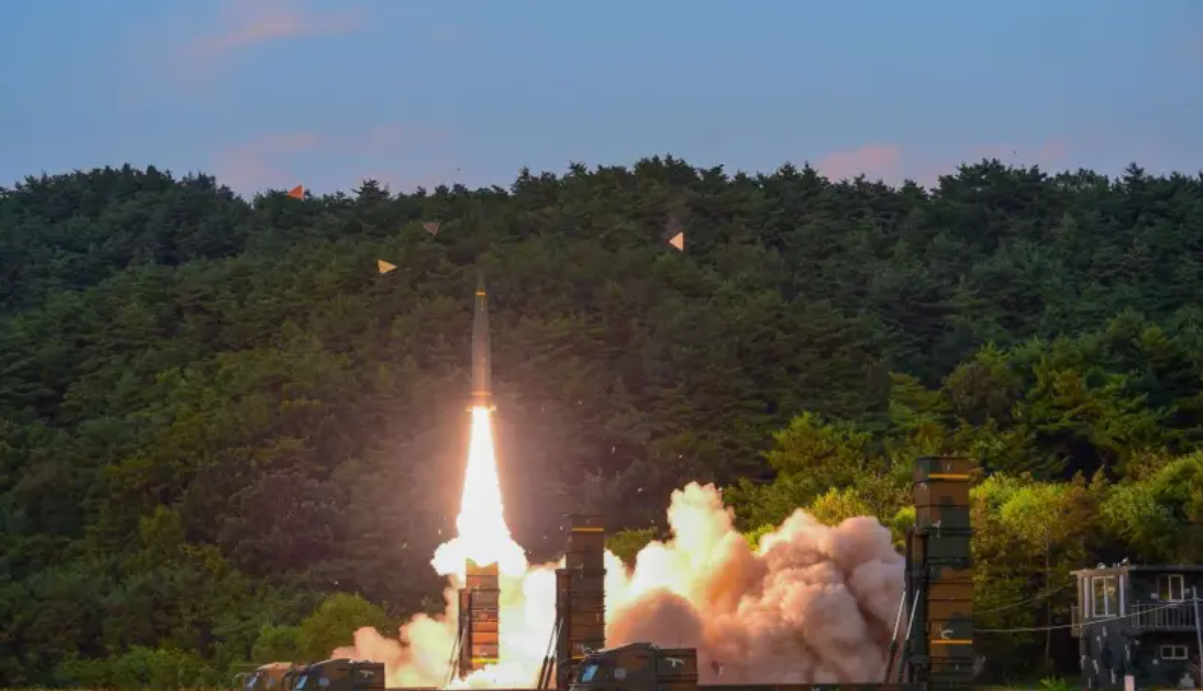
GPS spoofing is typically carried out by militaries seeking to reduce the accuracy of enemy weapons that rely on GPS navigation, such as long-range missiles and small drones.
Many armed forces have specialized units that build transmitters at fixed bases or deploy them on vehicles.
However, commercial flights are increasingly being caught up in this electronic warfare.
Royal Air Force (RAF) pilots were forced to navigate the aircraft using an older, less accurate navigation system that operates alongside GPS.
The Ministry of Defence stated that the aircraft`s safety was not compromised.
In fact, it was not the only aircraft in the area affected that day.
Data shared with the BBC by aviation consultancy SkAI Data Services shows that more than 100 passenger aircraft were broadcasting incorrect positions as a result of GPS spoofing.
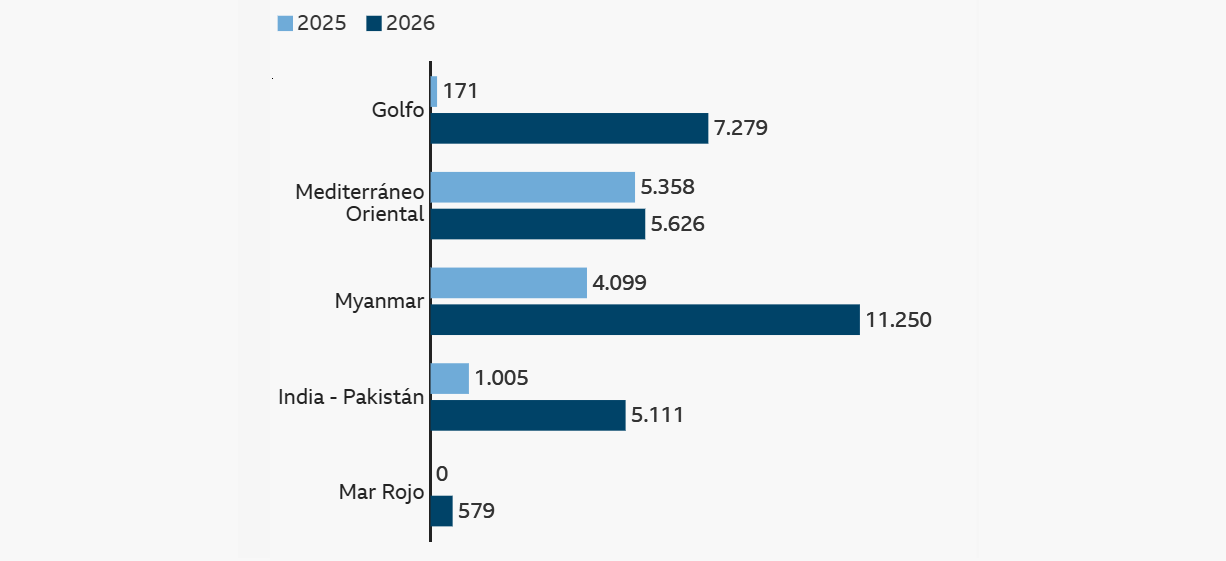
The same data indicates that both spoofing and jamming—another form of interference that overwhelms satellite signals and prevents GPS from functioning—are becoming increasingly common in areas near conflict zones or regions with significant military activity, including the Baltic region, the Gulf, the Red Sea, India and Pakistan, and the areas surrounding Myanmar.
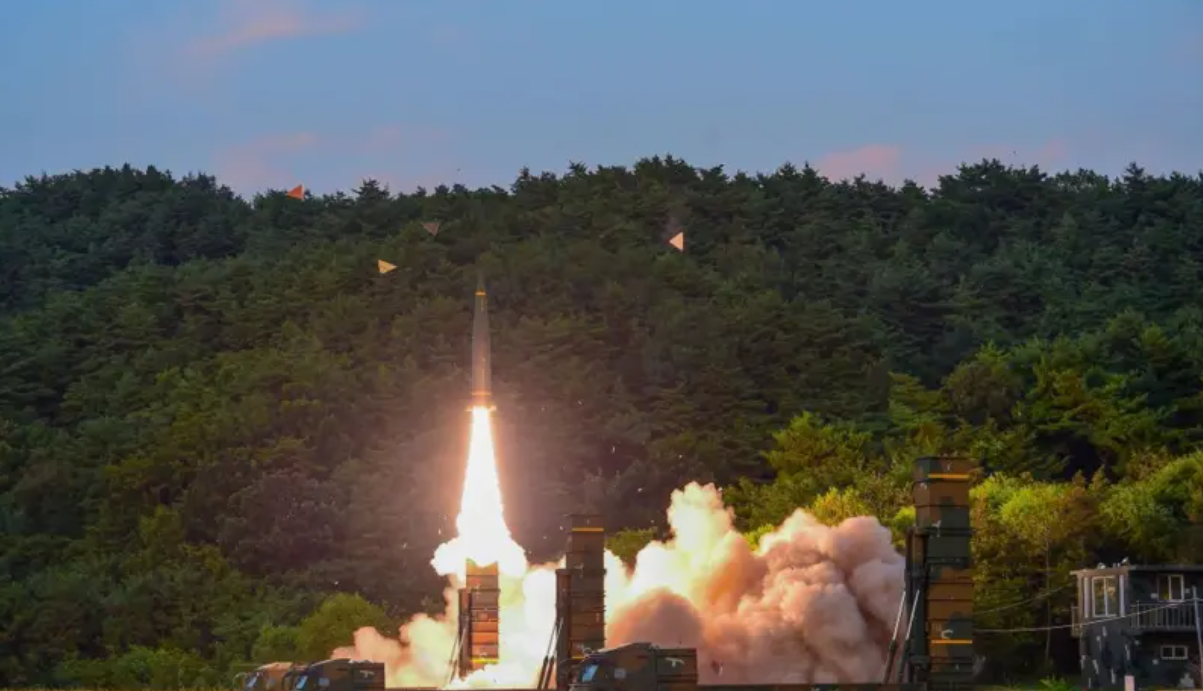
In the Gulf, for example, there was a sharp increase in flights reporting GPS spoofing following the start of the U.S. and Israeli military campaign against Iran on February 28.
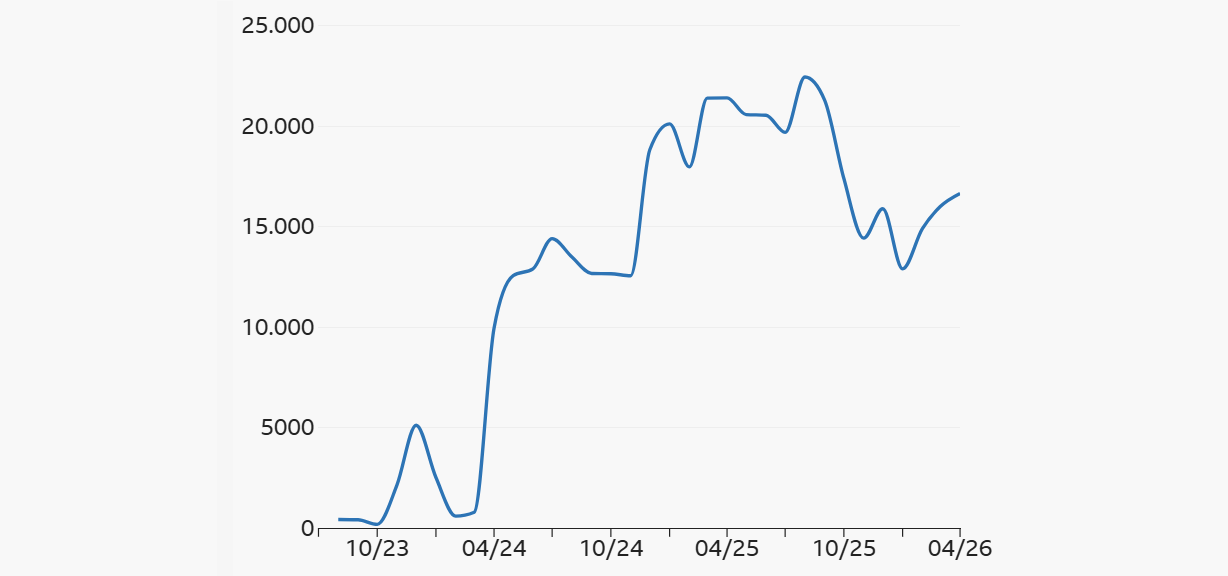
According to SkAI Data Services, 5,381 flights reported spoofing incidents in March, compared with 99 in February and just 14 in January.
In the Baltic region, the number of reported cases surged from 17,243 in 2024 to 59,447 in 2025, according to figures from SkAI Data Services.
This increase coincides with the growing use of drone attacks in the war between Russia and Ukraine.
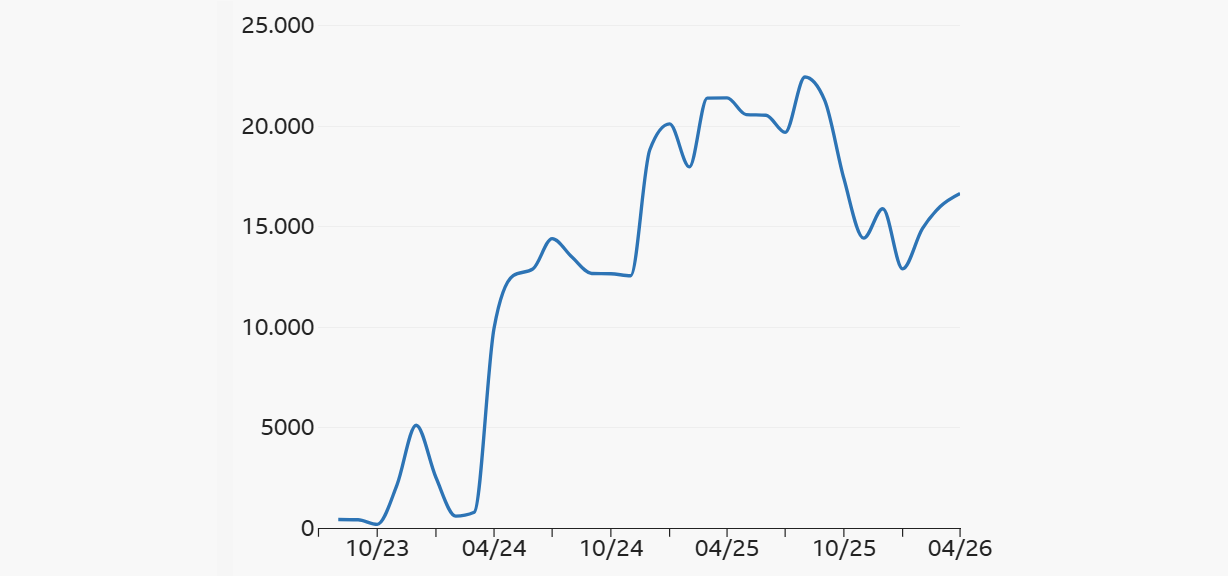
Other busy air routes across Europe, the Middle East, and Asia have also experienced spoofing or jamming incidents, with an average of more than 800 flights affected each day worldwide this year.
Because the technology required is readily available to most countries, experts are concerned that this phenomenon could become even more widespread.
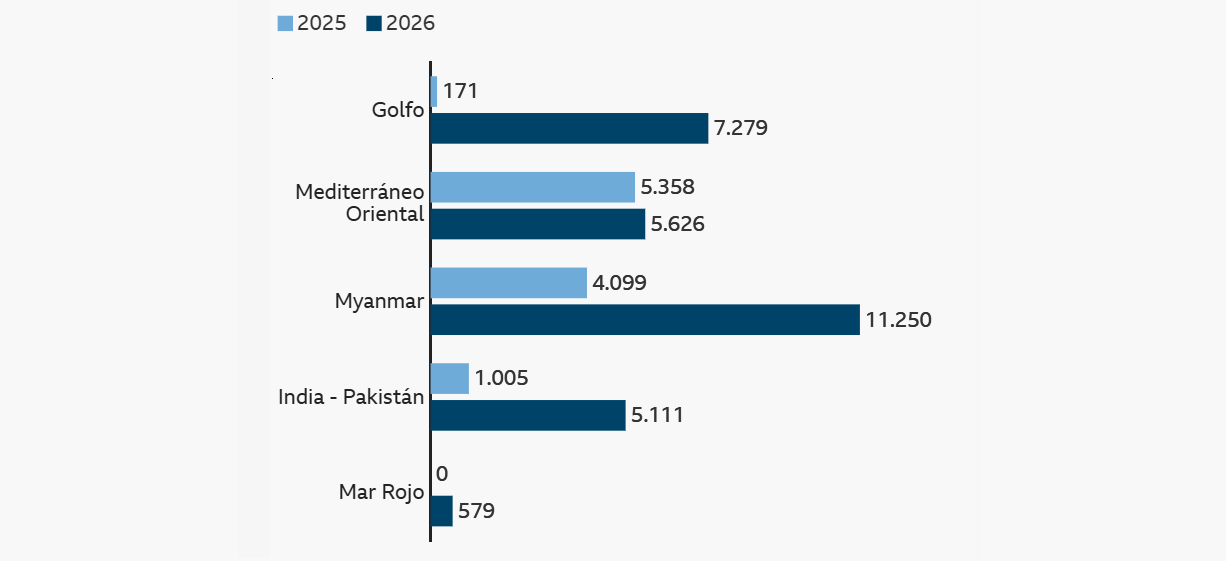
Flights affected in specific regions
It is a problem that British pilot Sam Rutherford encountered when he flew a four-seat light aircraft from Saudi Arabia to Oman last month.
When he was near the border between Saudi Arabia and the United Arab Emirates, the aircraft’s navigation systems and autopilot stopped working.
At first, he thought it might be an aircraft malfunction, but several airlines in the area were reporting the same problem.
It turned out that both GPS spoofing and jamming were affecting his aircraft.
Rutherford, who flew military helicopters in the British Army for eight years, used the aircraft’s magnetic compass and contacted air traffic control to help guide him to his destination.
Although he landed without incident, he says: “If I had encountered bad weather, low fuel, and at night, the situation would have been very different.”
One of the dangers of spoofing is that, if an aircraft is tricked into believing it is in a different location, pilots may be forced to disable or ignore alerts from their ground proximity warning systems, according to Tanja Harter, president of the European Cockpit Association, which represents around 40,000 pilots.
This system warns pilots when it detects that they are about to collide with the ground or obstacles such as mountains.
Harter says there are many reports of pilots receiving false “climb” warnings even when flying at 37,000 feet.
Weather radar systems that help aircraft avoid bad conditions may also stop functioning, she adds.
Although many airlines do a good job of providing pilots with real-time information, Harter notes that the combination of these issues “is degrading the safety net on board the aircraft.”
When describing his experience with spoofing, pilot Artur Rodionov says that a “jump from Lithuania to the North Sea” was the largest discrepancy he had ever seen between reality and the position displayed on screen.
“That’s more than 1,000 miles” (1,600 kilometers), says Rodionov, who flies small passenger aircraft for Estonian charter company Diamond Sky Aviation.
In response to these “routine” incidents, Rodionov says his company has developed protocols to deal with spoofing, including instructing pilots to switch off GPS systems when flying through areas known for interference.
This allows pilots to monitor whether the aircraft’s signals are being falsified, preventing other navigation systems from being affected.
Rodionov says that signal spoofing could be especially problematic for inexperienced pilots or when aircraft are dealing with other issues, such as mechanical failure or equipment malfunction.
“It definitely adds an extra workload,” he says.
It is not illegal for countries to interfere with GPS signals.
The United Nations body that regulates broadcast signals, the International Telecommunication Union (ITU), allows it for security or defensive purposes, although it has expressed “deep concern” that widespread use is threatening aviation safety.
The European air navigation safety body, Eurocontrol, states that aircraft have “mitigation measures to ensure safety is maintained” during spoofing, and that aircraft navigation technology and ground air traffic control can guide the plane.
Aircraft manufacturers work closely with aviation providers to find technical solutions to spoofing, it adds.
But privately, there are signs that aviation organizations, including Eurocontrol, are more concerned.
In a presentation from the safety body identified as “not for the general public” but accessed by the BBC, it is warned that spoofing “fundamentally undermines current cockpit safety principles.”
Industry experts suggest there is greater urgency to find a solution than is publicly acknowledged.
“Airlines are crying out for improvements,” says Todd Humphreys, professor of aerospace engineering at the University of Texas.
“Aviation is working with GPS technology that is more than 20 years old.”
Humphreys notes that the industry needs “spoof-resistant and interference-resistant GPS receivers.”
“I think what we will have to do is develop new technologies that are much more resilient.”
Among the possible solutions are updating aircraft software to filter out interference, using directional antennas so that onboard systems ignore false signals coming from the ground, and developing entirely new navigation systems that operate alongside GPS.
However, implementing changes to safety-critical equipment can take time.
Humphreys warns that GPS spoofing and jamming may affect not only commercial aviation but also other systems, including mobile phone mapping applications.
“It’s maritime traffic, people driving on the roads,” he says.
“Every time a conflict breaks out in the future, you can expect GPS to be one of the first casualties.”
Publication Date: 2026-06-02
Source: BBC News Mundo

Ideal for small companies that need productive modules, 10 corporate emails, 5 sections, 20 product catalog, 5 SEO campaigns, e-commerce.

Ideal to start your presence on the internet, catalog of 5 products, updating documents, hosting, corporate emails and more!




5% Discount on Your Trip to CUSCO AND MACHU PICCHU!
Our Staff of Content Advisors, Journalists, and Technologists are at your disposal to help you get the content you need every day.